

Hebei Runhuabang New Material Technology
Co., Ltd. is a comprehensive enterprise
integrating production, processing and sales
Our company mainly produces and operates
non-metallic minerals such as iron oxide
pigments, tourmaline, far-infrared powder,
iron powder, etc
Our company adheres to the concept of quality
first and integrity management, and sincerely
invites customers at home and abroad to
establish good cooperative relations
18
+
years
Industry experience
30
+
platform
Production equipment
13000
+
㎡
Factory size
50
+
person
staff member
WHAT WE DO
oxide pigments for concrete
A Field-Tested Look at Iron Oxide Color for Concrete and Coatings If you work with colored concrete, pavers, or matte wall coatings, you’ve probably noticed a quiet shift: higher-grade pigments that disperse faster, cover better, and hold their color outdoors. One product that keeps popping up on job specs and buyer chats is Runhuabang Matte Plastic Iron Oxide Pigment Black Green Red Yellow For Concrete Bricks Cement Wall Paint Ferric Oxide Powder . What’s behind the trend Urban paving and prefab facade makers want consistent batches and matte, low-glare color. Powdered iron oxides—black, green, red, yellow—hit the sweet spot: predictable tint strength, alkaline resistance, and frankly, good economics. Many customers say they switched after noticing fewer streaks and less batch-to-batch drift. Quick spec snapshot Manufactured in: 0811, Building H2, Poly Plaza (North District), 95 Shifang Road, Chang’an District, Shijiazhuang, Hebei. Property Typical Value (≈/around) Colors Black (Fe3O4), Red (Fe2O3), Yellow (FeOOH), Green blend Particle size (D50) ≈0.3–0.6 μm; screened for low residue Moisture Oil absorption ≈25–35 g/100 g pH (aqueous) 5–8 Heat stability Yellow ≤180°C; Red ≤400°C; Black ≤300°C (real-world use may vary) Standards intent Designed to conform to ISO 1248, EN 12878, ASTM C979 Where it’s used Colored concrete: bricks, blocks, pavers, terrazzo, roof tiles. Matte wall paint and primers: low-glare interiors, facade basecoats. Dry-mix mortars and grouts: stable tone in high-alkali media. Matte plastics and masterbatch: signage, landscaping parts. Advantages? High tinting strength with good dispersibility, consistent shade, and dependable UV/alkali resistance. To be honest, the convenience of faster wet-out in concrete mixers is what contractors mention most. Process flow (how it’s made and controlled) Materials: synthetic iron oxides via precipitation/calcination; optional surface treatment for flow. Methods: controlled precipitation, micronization, classification, dust-control finishing. Testing: sieve residue, D50, moisture, tint strength vs. internal standard (=100±5), alkaline and UV exposure. A recent lab note: QUV-A 340, 1000 h, ΔE ≈0.6–1.8 depending on hue; ASTM C979 mortar bars showed uniform dispersion. Service life: around 10–15 years color stability on concrete facades in temperate zones, assuming good cover and binder design; harsher coastal UV may shorten that. Industries served: construction materials, architectural coatings, plastics, landscape products. Customization and certifications Shade matching (ΔE target ≤1.0), dust-free granulation for plant hygiene, and tailored bulk density are available on request. Certifications typically include ISO 9001 for QMS; REACH-compliant substance management and heavy-metal screening are available per lot COA. Vendor snapshot (why buyers compare) Vendor Tint Strength Dispersibility Standards Lead Time Runhuabang ≈100 (ref.) Fast in cement and paint ISO 1248 / EN 12878 / ASTM C979 intent Around 7–12 days Generic A ≈95 Moderate EN 12878 claim 10–15 days Generic B ≈98 Good ASTM C979 claim ≈2 weeks Real-world notes and a mini case A Hebei ready-mix plant told me their switch to Runhuabang Matte Plastic Iron Oxide Pigment Black Green Red Yellow For Concrete Bricks Cement Wall Paint Ferric Oxide Powder cut mix time by “a couple of minutes” because the powder wets quicker. Another contractor—skeptical at first—reported more uniform roof tile shades after standardizing dosing by cement mass (2–4% red; 0.5–2% black). Case: municipal pavers in a freeze–thaw zone. Spec used Runhuabang Matte Plastic Iron Oxide Pigment Black Green Red Yellow For Concrete Bricks Cement Wall Paint Ferric Oxide Powder red at 3% bwoc, water reducer on the low side. After 24 months, a ΔE of ≈1.2 on retained samples—no obvious efflorescence staining. Not bad. How to get the best from it Preblend pigment with sand for concrete; or pre-slurry for paint. Dose by cement mass; verify shade on a cured panel, not fresh paste. Control water and curing; excessive bleed can mute color. For yellow in hot processes, keep temperatures ≤180°C to avoid red shift. Final thought: it’s the combination of shade control and easy processing that keeps users loyal. Not flashy, just solid. References ISO 1248: Pigments, synthetic iron oxide — Specifications and methods of test. ASTM C979/C979M: Standard Specification for Pigments for Integrally Colored Concrete. EN 12878: Pigments for building materials based on cement and/or lime. REACH Regulation (EC) No 1907/2006 — Registration, Evaluation, Authorisation and Restriction of Chemicals. ISO 9001:2015 — Quality management systems — Requirements.
Mining&Production
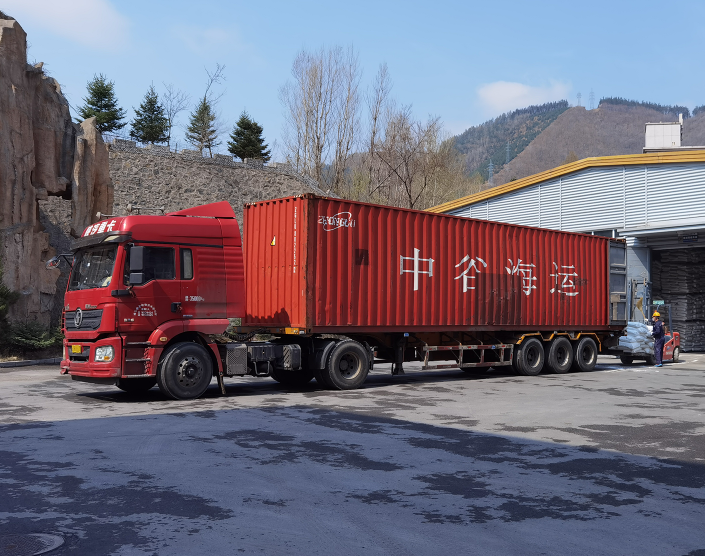
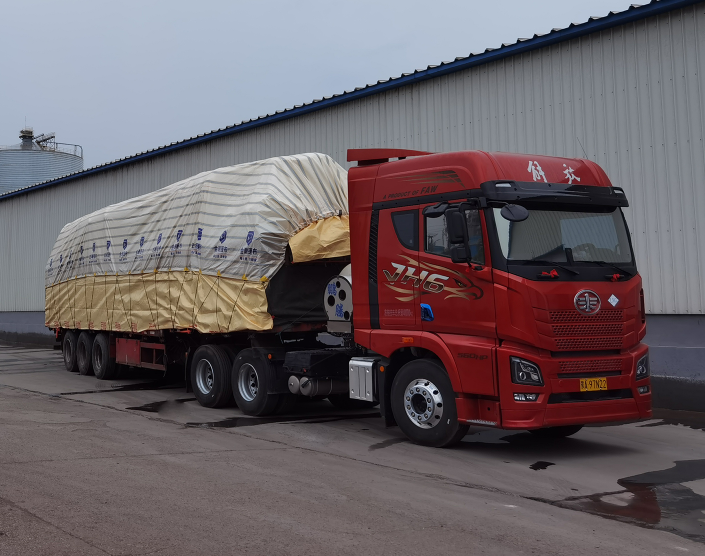
The company has a large scale and outstanding
production capacity, with an annual output of
200,000 tons; With its excellent product quality
and perfect service system, it sells well exported
to Europe, the United States, the Middle East,
Southeast Asia and other more than 100 countries
and regions, well received by the market and customers.
Processing&Sales
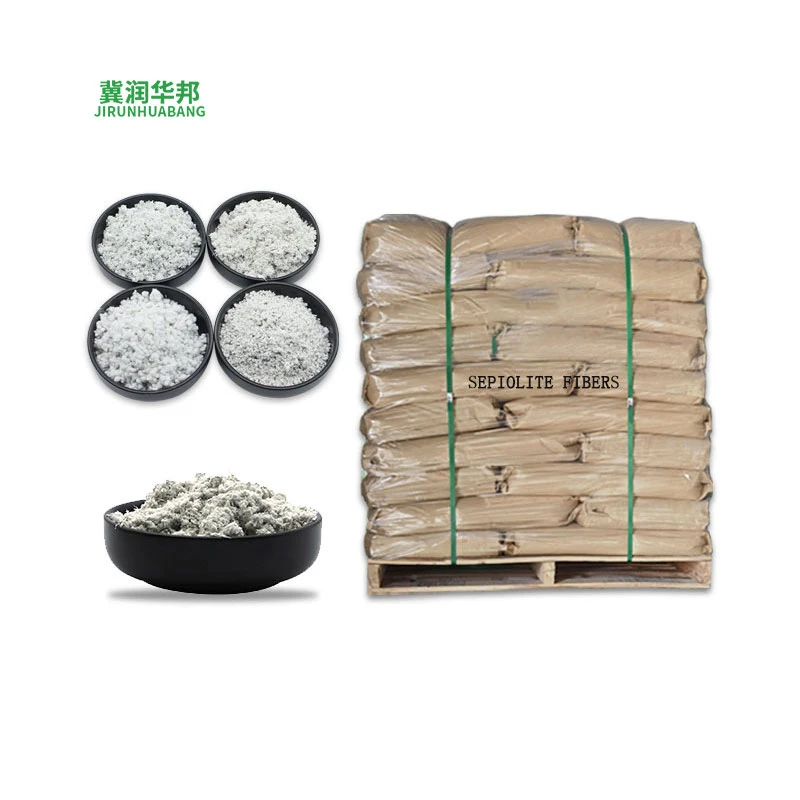
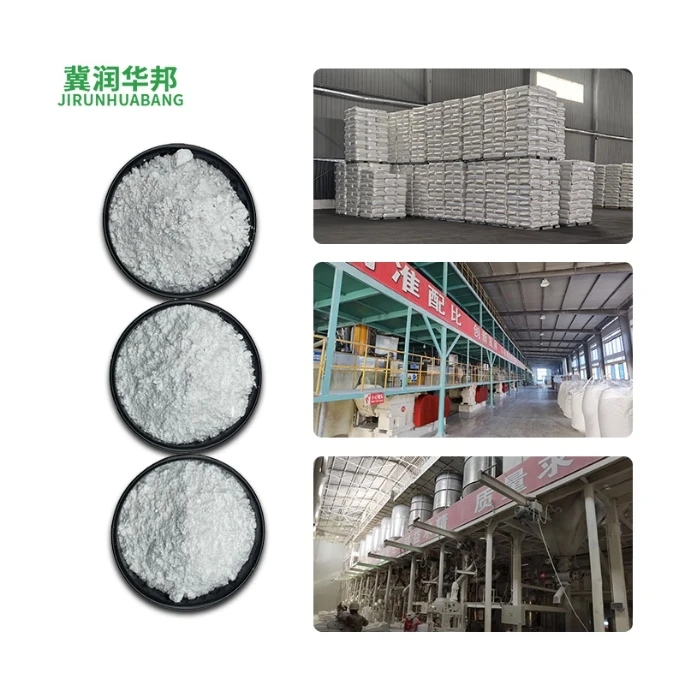
The company takes technology as the forerunner,
continuously carries out technological innovation,
and strictly follows the quality management system
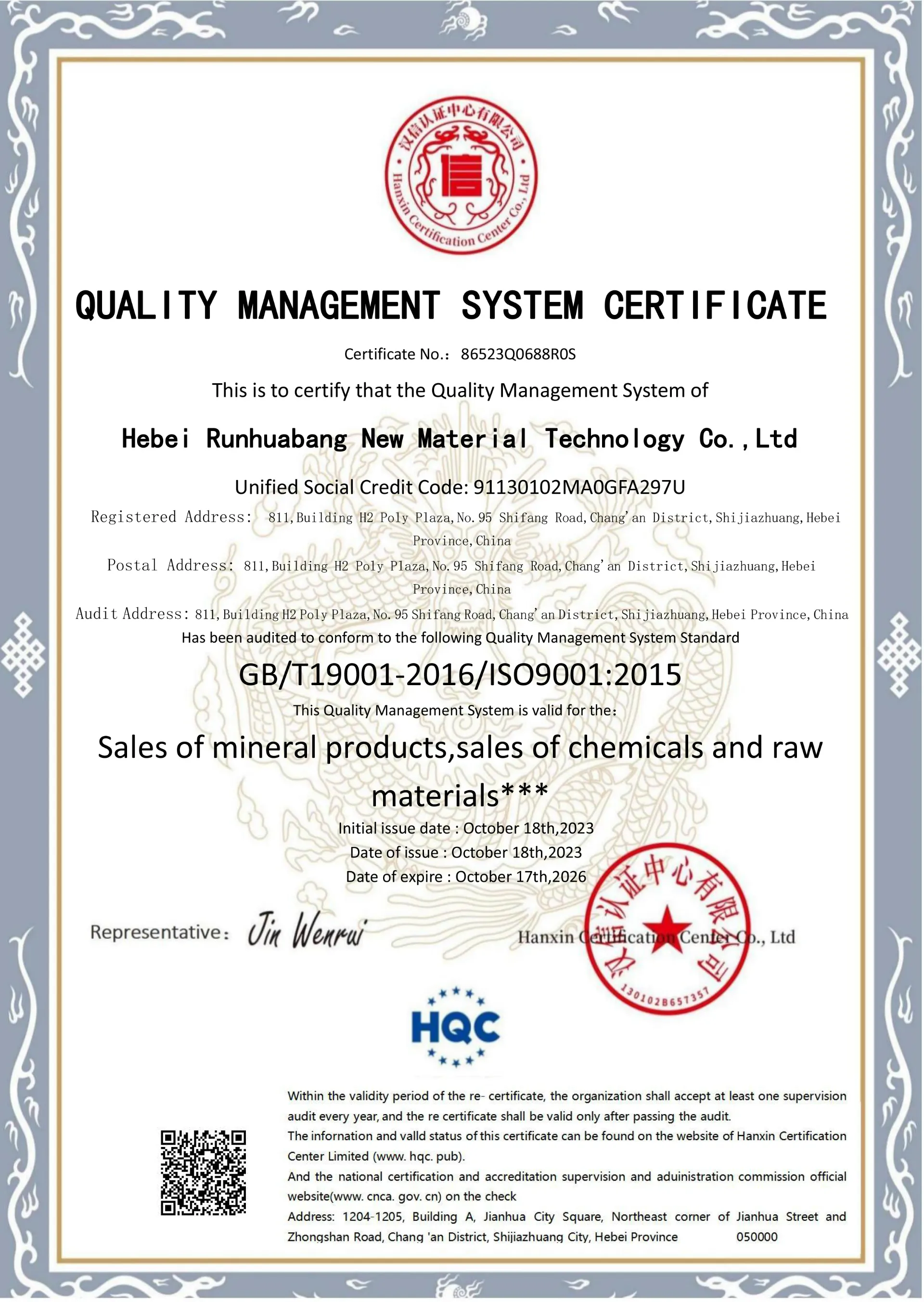
in production.Our products have passed ISO 9001
technical qualification certification and are exported
to more than 70 countries and regions in Southeast
Asia,Western Europe and North America...
Machining
process

Ore mining


Broken
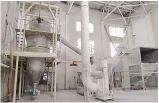


Picking
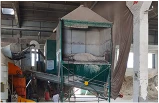


Washing
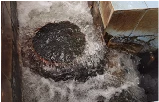


Dry
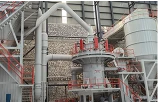


Calcination
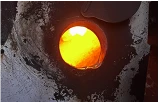


Screening
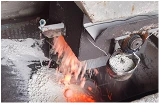


Wrap
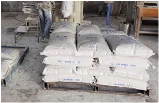


Transtorp
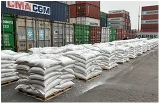


Quality assurance
Set up a perfect quality management system,professional quality inspectors

Team of Professionals
Establish a professional quality inspection team,strictly control the production process to ensure product qualit

Quality service
Professional customer service 24 hours a day fast response,timely answer your questions

Source manufacturer
18 years of mineral product production & export experience
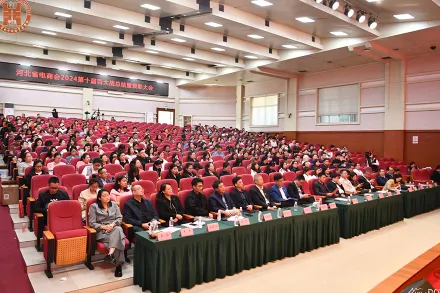
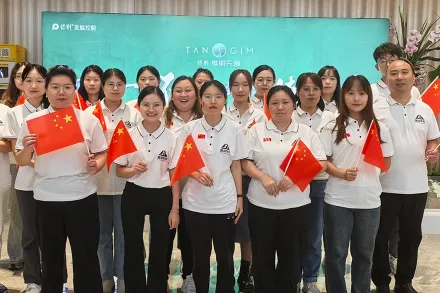
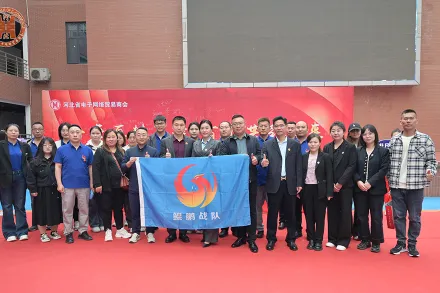
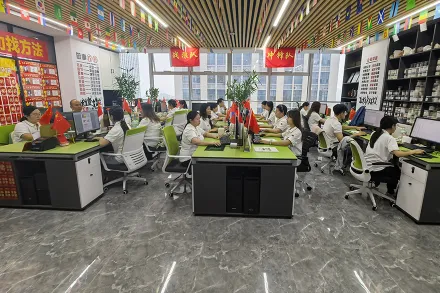
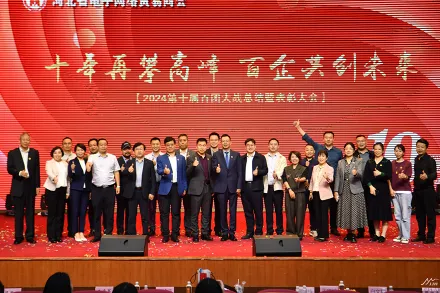
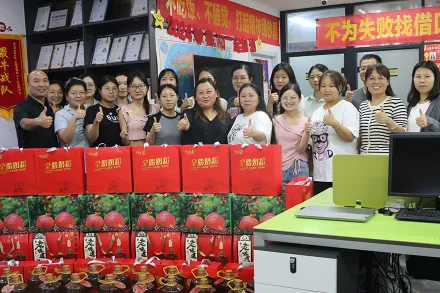
CUSTOMER VISITS AND EXHIBITIONS
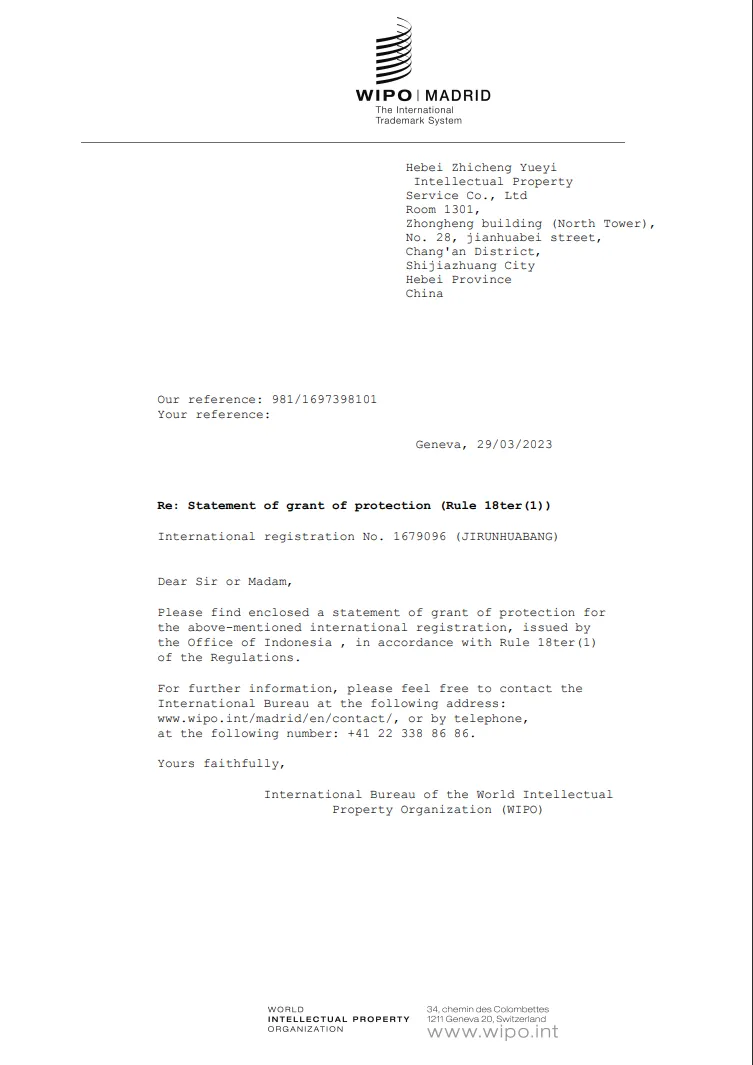
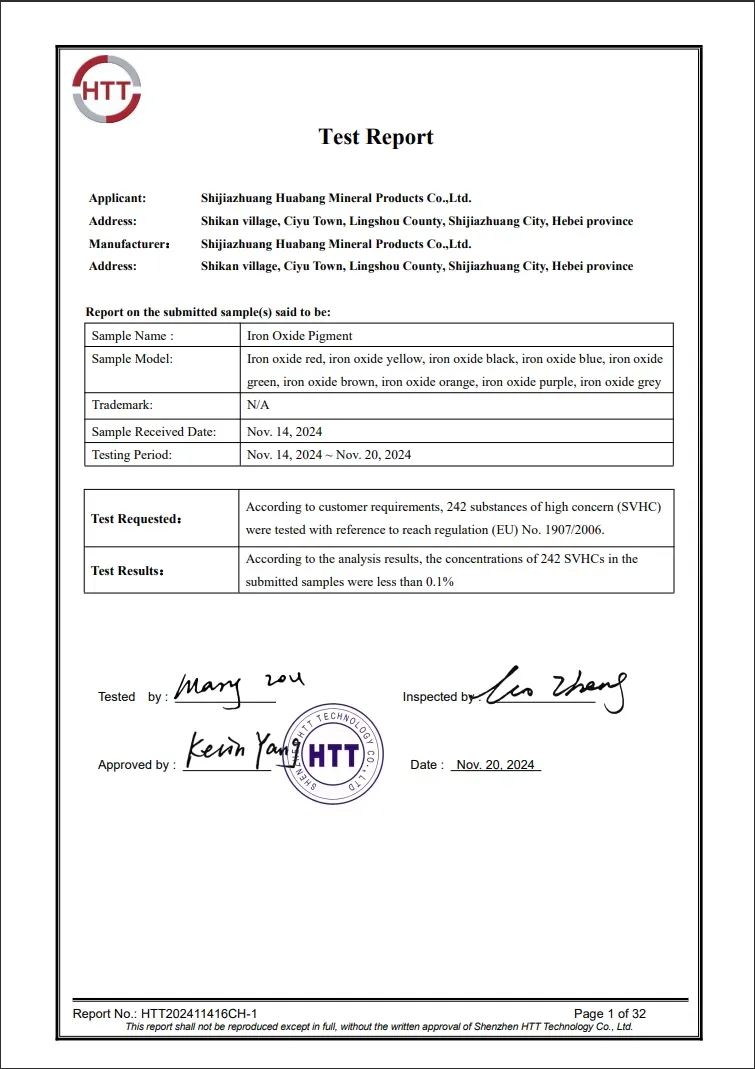
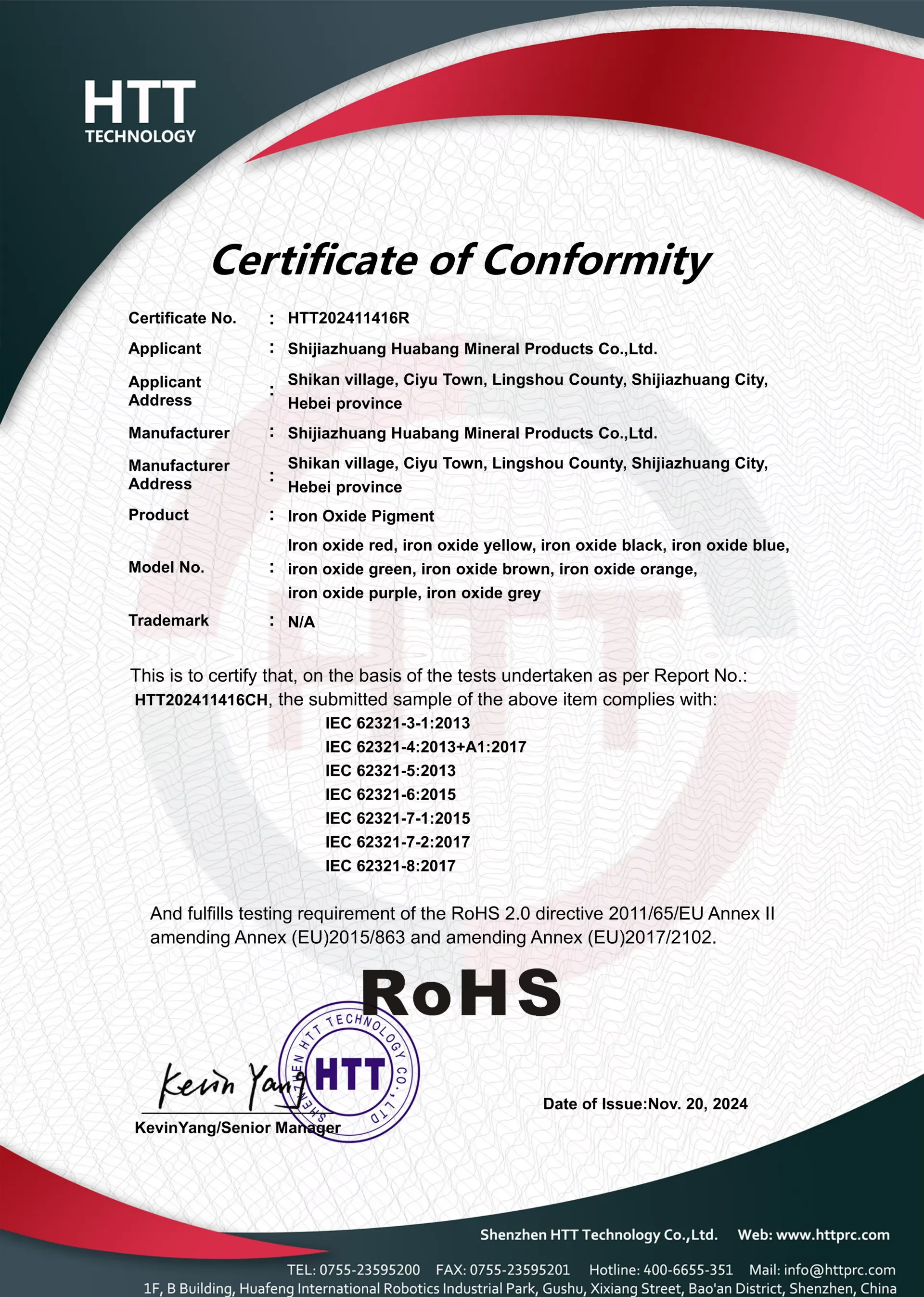
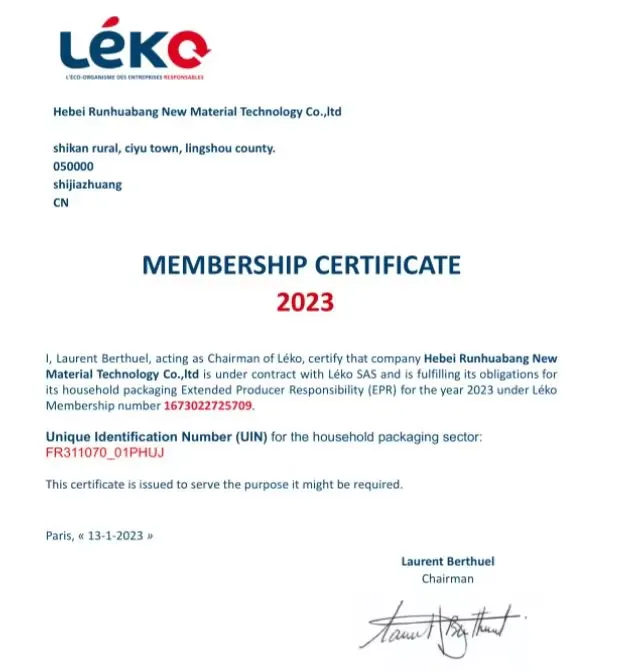
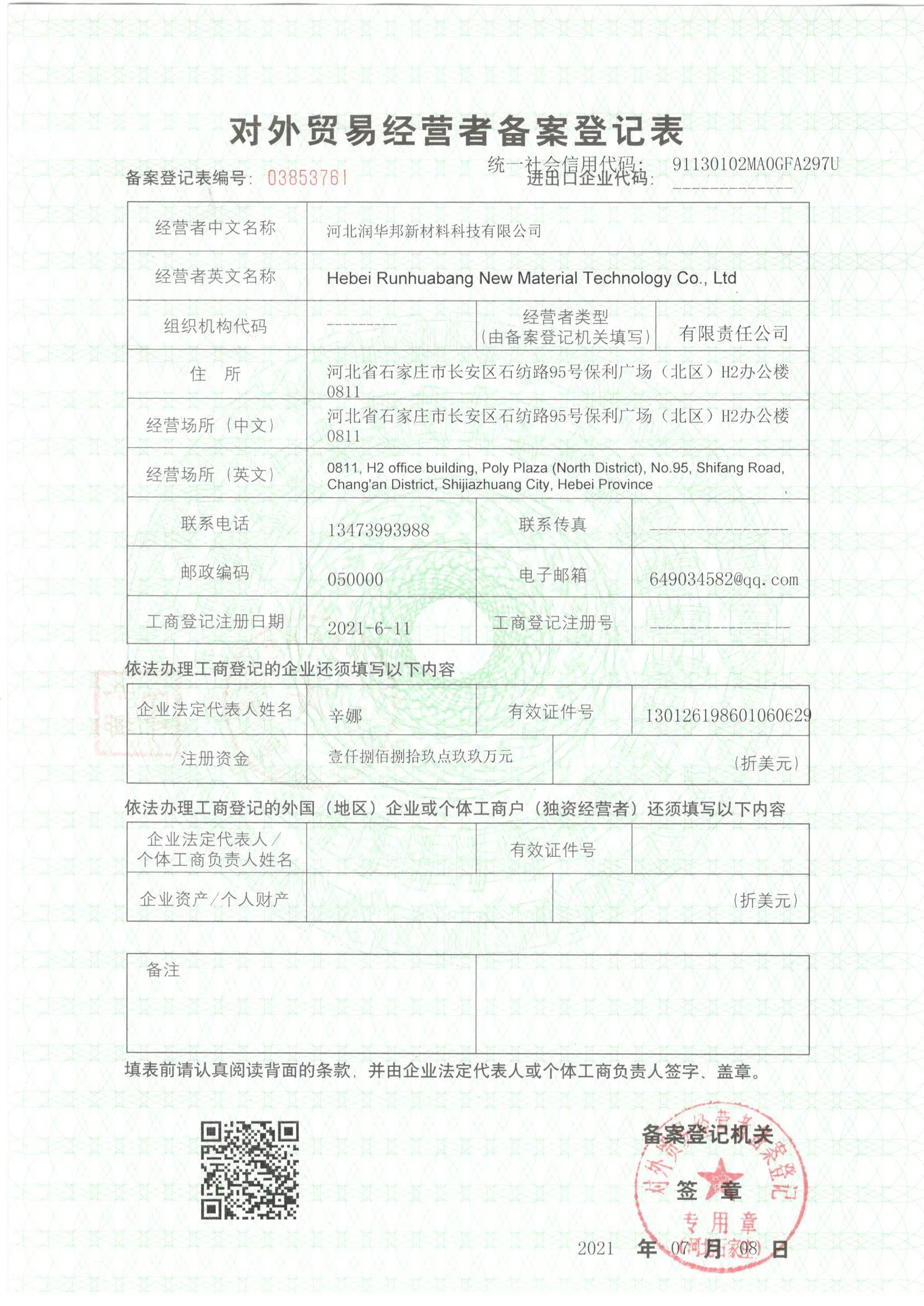
OUR certificate


OUR BLOG
2026-06-20 20:13
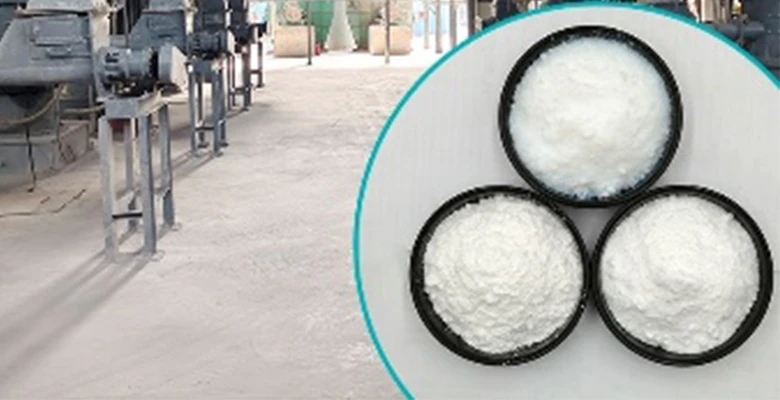
zeolitalia powder
As a passionate advocate for sustainable and efficient solutions in various industries, I can confid
2026-06-20 22:14
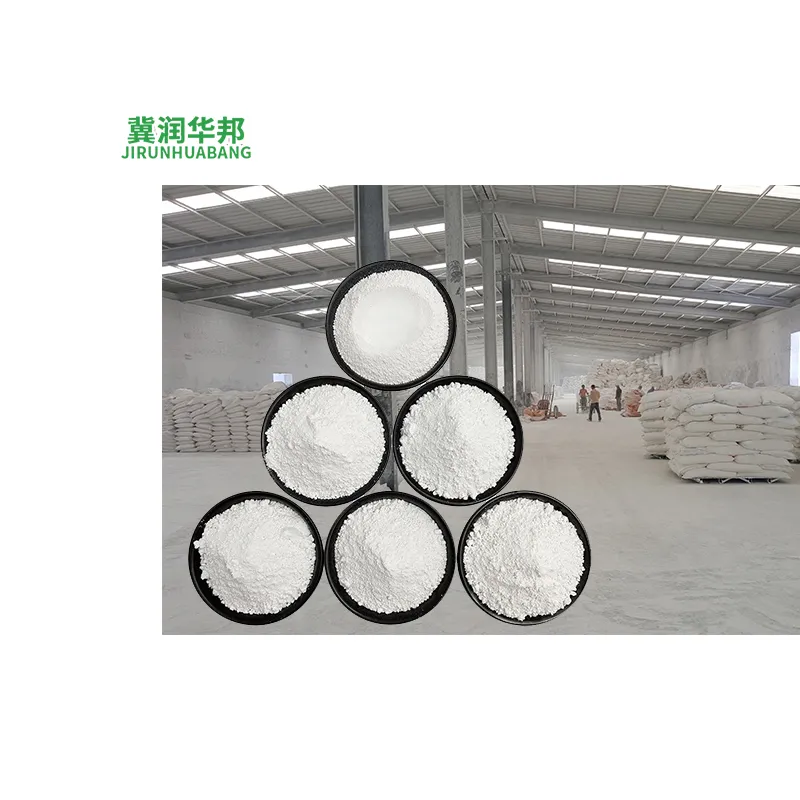
what is watermelon tourmaline good for
Watermelon tourmaline, an exquisite gemstone boasting vibrant green and pink hues, serves more than
2026-06-20 20:02
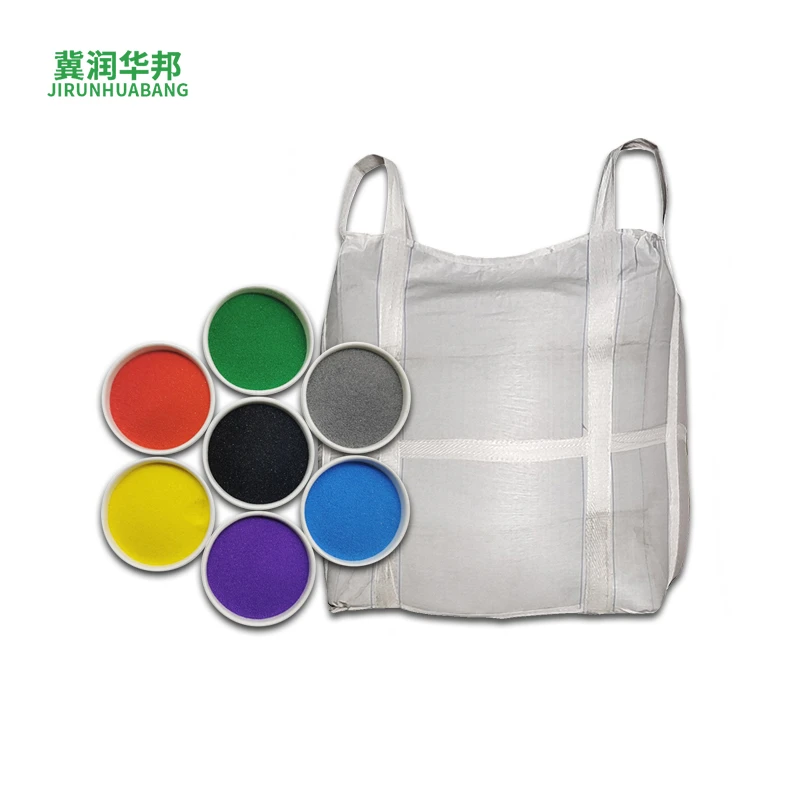
Unveiling the Core Advantages of Colored Sands for Global Construction and Decoration Industries
1. Superior Quality and Durability 1.1 Natural vs. Sintered Colored Sands: A Comparative Edge Na



About Runhuabang
Hebei Runhuabang New Material Technology Co., Ltd. is a comprehensive enterprise integrating production, processing and sales
Get In Touch
0811, Building H2, Poly Plaza (North District), 95 Shifang Road, Chang 'an District, Shijiazhuang, Hebei

Copyright © 2025 Hebei runhuabang New Material Technology Co.,Ltd. All Rights Reserved. Privacy Policy


